Hello,
I’ve recently embarked on a significant personal project: analyzing my own whole genome sequence. My background here in Kuala Lumpur has always fostered a deep interest in science and technology, and this felt like a natural, albeit ambitious, step into understanding human biology at its most fundamental level. The process involves working directly with lab-generated data, a challenging yet rewarding endeavor.
This undertaking coincides with a pivotal time for genomic technology. As of May 2025, whole genome sequencing (WGS) is more accessible than ever, primarily due to considerable advancements and cost reductions from its origins, when sequencing the first human genome cost billions.
However, despite increased accessibility, the practical understanding of WGS – what it is, what it can realistically offer, and its limitations – often remains unclear. My goal in sharing this experience is to provide a pragmatic overview of:
* The fundamentals of whole genome sequencing.
* Why I've chosen a hands-on analytical approach.
* The significance of terms like "30x coverage" in data quality.
* The potential health insights, including for nutrigenomics and other specific genomic features like Polygenic Risk Scores.
* Specific considerations for individuals over 60.
* The reasons behind the current rate of WGS adoption.
* The evolution of sequencing technology and the evidence supporting its utility for personal health.
This post is for anyone curious about WGS, whether for general knowledge, personal health interest, or an appreciation of applied science.
Understanding Whole Genome Sequencing (WGS)

At its core, your genome is the complete set of DNA instructions within your cells – the comprehensive blueprint for your biological makeup. This blueprint is written in a four-letter chemical code (A, T, C, G). Specific segments of DNA that provide instructions for particular functions are known as genes.
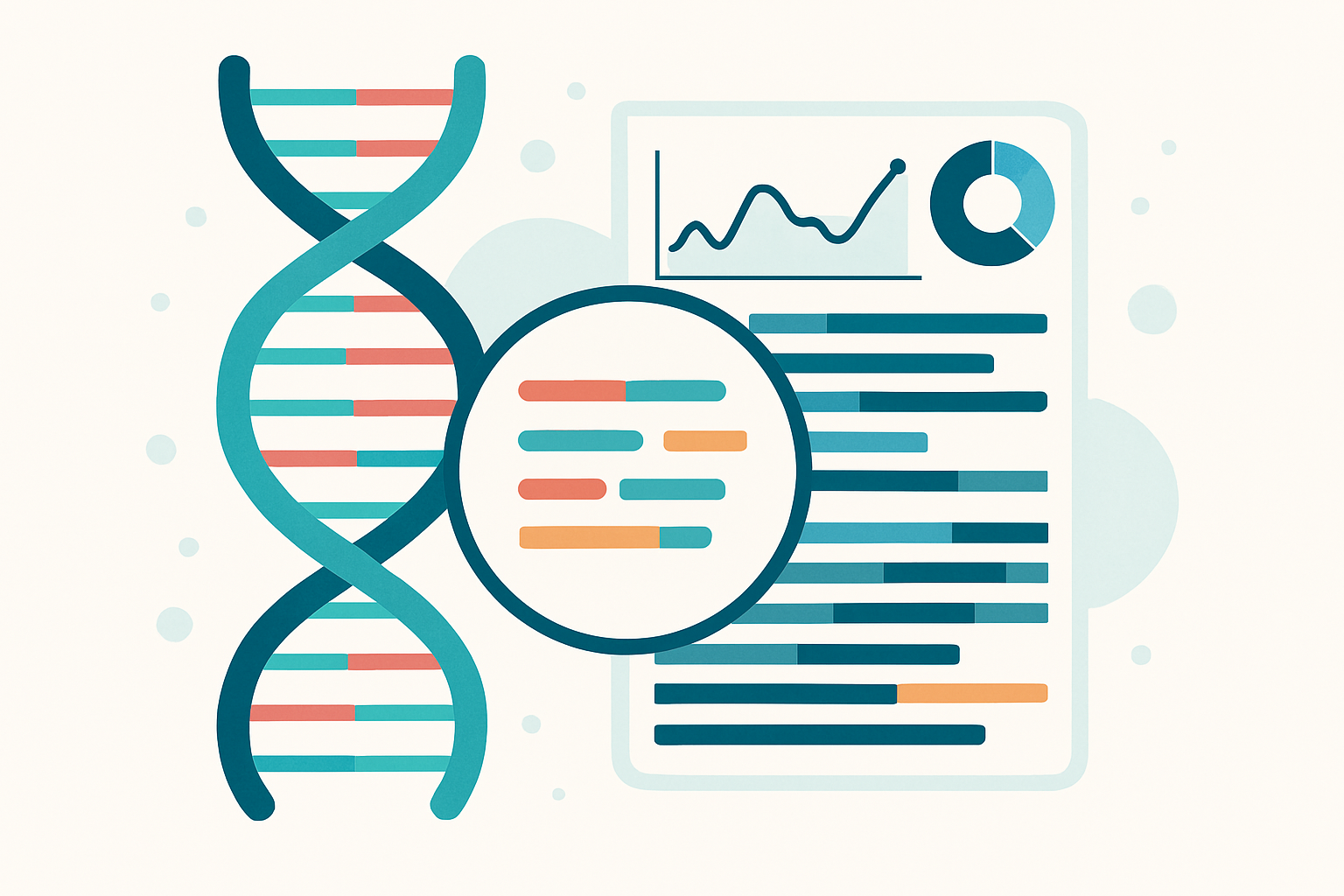
Whole Genome Sequencing (WGS) is the laboratory process of determining the entirety of that genetic blueprint. Unlike targeted genetic tests that examine only specific genes or regions, WGS aims to read the full sequence. For my project, this involved submitting a biological sample to a laboratory, which then performed the sequencing and returned the raw data for my analysis.
Why Take the Deep Dive? My Rationale for Self-Directed Genomic Analysis
You might be wondering, with various commercial WGS packages available that offer summarized reports, why I've chosen the more intensive path of analyzing my own raw genomic data here in Kuala Lumpur. It's a valid question, as this approach certainly involves a steeper learning curve and a significant time investment. For me, the decision was driven by several key factors:
-
Desire for Unfiltered Depth and Nuance:
Off-the-shelf reports, by their nature, provide curated interpretations. While helpful as a starting point, they often simplify complex information. I was motivated by the prospect of accessing the complete, unfiltered dataset. This allows for a deeper exploration and the ability to query specific variants or regions based on my own research. -
The Value of First-Hand Learning and Skill Acquisition:
Engaging directly with bioinformatics tools and databases to interpret genomic data builds a much more profound understanding of genomics. For someone with a strong interest in applied science, acquiring these practical skills is a significant reward. -
Customization and Control Over the Analytical Process:
Analyzing my own data grants me the flexibility to tailor the investigation. This includes the ability to build my own Polygenic Risk Scores (PRS) for various traits or conditions. PRS combine the effects of many genetic variants to estimate predisposition, offering a more nuanced view than single-gene analyses, and constructing these myself allows me to understand their basis and limitations. -
Long-Term Utility and Future Discoveries:
Genomic science is constantly evolving. By possessing and understanding how to work with my raw WGS data, I have the ability to re-analyze it as new scientific discoveries are made and our understanding of what specific genes and variants do expands. An off-the-shelf report is a snapshot in time; owning the data means I can continually apply new knowledge to it in the future. -
A Pragmatic Understanding of "Variants of Uncertain Significance" (VUS):
Direct engagement with the data forces a practical confrontation with ambiguities like VUS – variants whose health impact isn't yet known. Working through these teaches crucial lessons about the frontiers of genetic knowledge. -
Empowerment Through Direct Engagement:
Ultimately, this path is about empowerment. It's about moving from being a passive recipient of information to an active participant in understanding my own biological blueprint.
Choosing this route isn't for everyone; it requires a specific interest and dedication. However, for those inclined, the potential for deeper understanding and personal scientific discovery is substantial.
The Importance of "30x Coverage" in Genomic Data
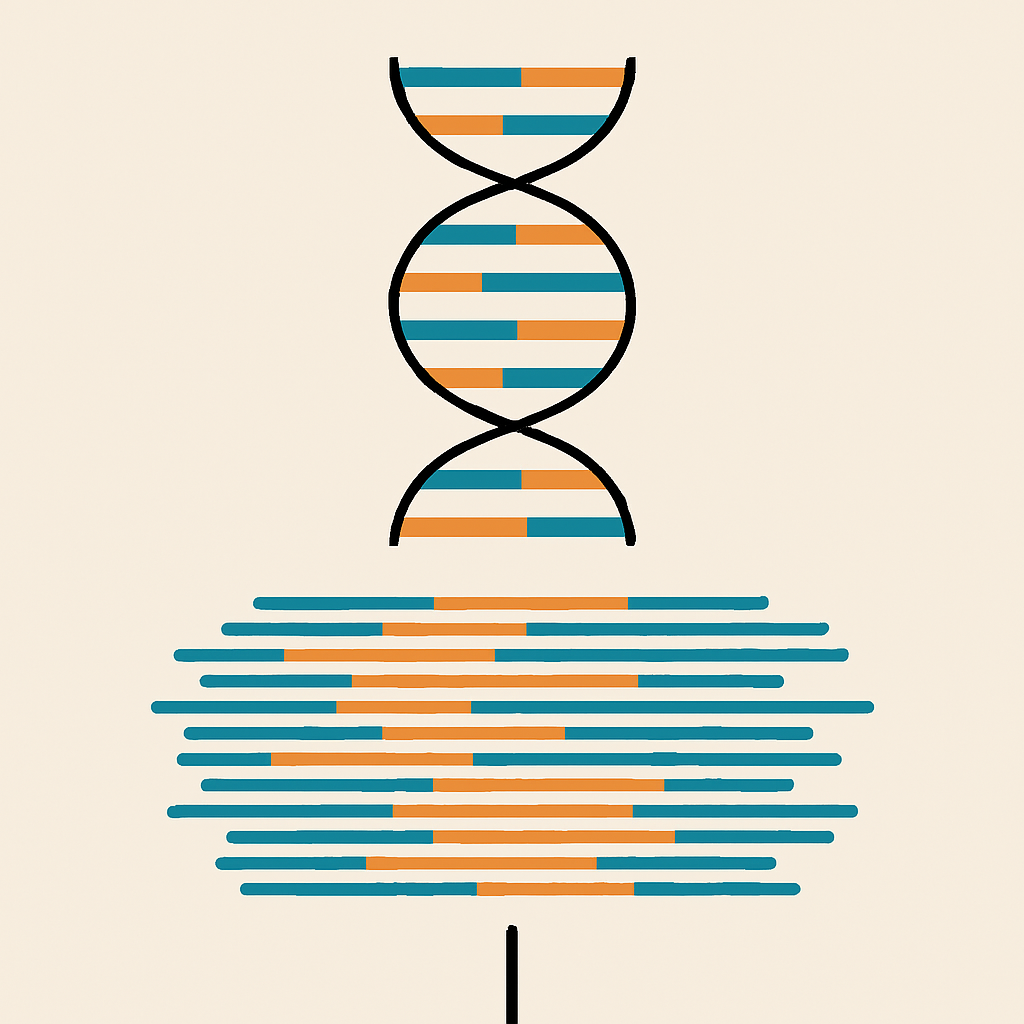
In discussions about WGS, "coverage" (e.g., "30x coverage") is a critical metric for data quality.
Consider the task of transcribing a complex manuscript. To ensure accuracy, you would likely review each section multiple times. Similarly, in WGS, "30x coverage" indicates that, on average, each base pair (or "letter") in the genome has been sequenced, or "read," approximately 30 times.
- Accuracy: Multiple reads help differentiate true genetic variations from potential errors in the sequencing process. A 30x coverage level is generally considered a robust standard for human genome sequencing.
- Completeness: It improves the likelihood of accurately sequencing challenging regions of the genome.
For my own analytical work, understanding that the foundational data meets a standard like 30x coverage is essential for the reliability of any subsequent interpretation, including the construction of accurate PRS.
Potential Benefits: Personal Health Insights and Nutrigenomics
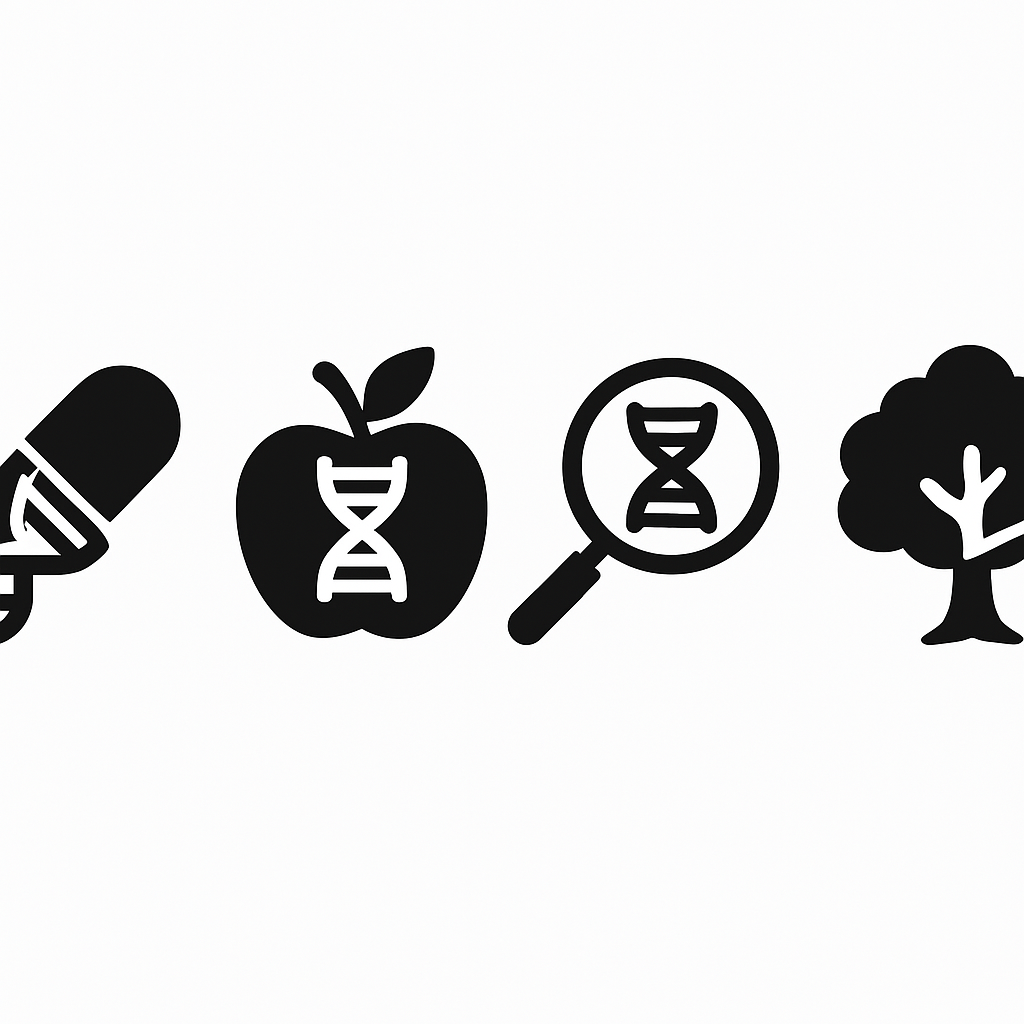
The primary motivation for many individuals exploring WGS, myself included, is the potential for personalized health insights. Key areas include:
- Pharmacogenomics: Understanding how your genetic makeup might influence your body’s response to specific medications.
- Nutrigenomics: Exploring the relationship between your genes, nutrition, and health. WGS can provide information on how your body might process certain nutrients or your genetic predispositions related to diet.
- Assessment of Genetic Predispositions: Identifying genetic variants associated with an increased risk for certain health conditions, which can be further explored through tools like Polygenic Risk Scores.
- Ancestry Information: WGS can offer highly detailed information about genetic heritage.
- Personal Discovery: The process of exploring one's own genomic data is a significant learning experience.
Beyond the Basics: Deeper Insights WGS Can Offer
WGS allows for a more granular exploration of your genome. Here are some additional aspects that can be investigated:
-
Understanding Genetic Mutations and Variations:
WGS can detect a wide spectrum of genetic changes: -
Single Nucleotide Variations (SNVs/SNPs): Changes at a single DNA "letter."
- Insertions and Deletions (Indels): Small additions or missing bits of DNA.
- Copy Number Variations (CNVs): Larger sections of DNA that are duplicated or deleted.
-
Structural Variations (SVs): Even larger-scale chromosomal rearrangements.
WGS from a blood or saliva sample primarily identifies germline mutations (inherited), though specialized analyses can be applied in contexts like cancer. -
Disease Risk Genes – A More Detailed Look:
WGS can identify specific variants in genes known to be strongly associated with certain diseases (e.g., BRCA1/BRCA2 for hereditary cancers, LDLR for familial hypercholesterolemia, APOE e4 for Alzheimer's risk). Interpretation requires careful consideration of the specific variant, family history, and clinical guidelines. -
Telomere Length Estimation:
Telomeres are protective caps at chromosome ends, linked to cellular aging. WGS data can be analyzed using specialized tools to estimate average telomere length, offering a potential data point in assessing cellular aging, though interpretation is complex and evolving. -
Insights into Biological Aging:
Biological aging can differ from chronological age. WGS can contribute by identifying genetic variants associated with longevity or accelerated aging pathways. It can also indirectly inform epigenetic understanding (gene activity modifications) through variant analysis in regulatory regions. Insights here are largely research-oriented (as of May 2025) but advancing.
Incorporating these features into WGS exploration can provide a richer understanding. However, it also underscores the complexity of genomic interpretation.
WGS: Real-World Implications, Particularly for Individuals Over 60

While WGS offers insights at any age, it has particular relevance for health management in individuals over 60:
- Optimizing Medication Regimens: Pharmacogenomic insights can be especially valuable for improving medication efficacy and safety.
- Proactive Management of Age-Related Conditions: WGS can identify genetic risk factors, empowering individuals and their doctors to implement targeted screening, preventative measures, or tailored lifestyle adjustments.
- Diagnosis of Late-Onset Genetic Conditions: WGS can be a powerful diagnostic tool in such cases.
- Informed Lifestyle Choices for Healthy Aging: Insights can help tailor dietary and lifestyle recommendations.
- Implications for Family Health: Genetic information can have relevance for biological relatives.
It's crucial to reiterate that WGS results, especially those pertaining to disease risk, should be interpreted with the guidance of healthcare professionals or genetic counselors. My personal analysis is for informational and explorative purposes; clinical decisions should always be professionally guided.
The WGS Process: From Sample to My Analytical Desktop
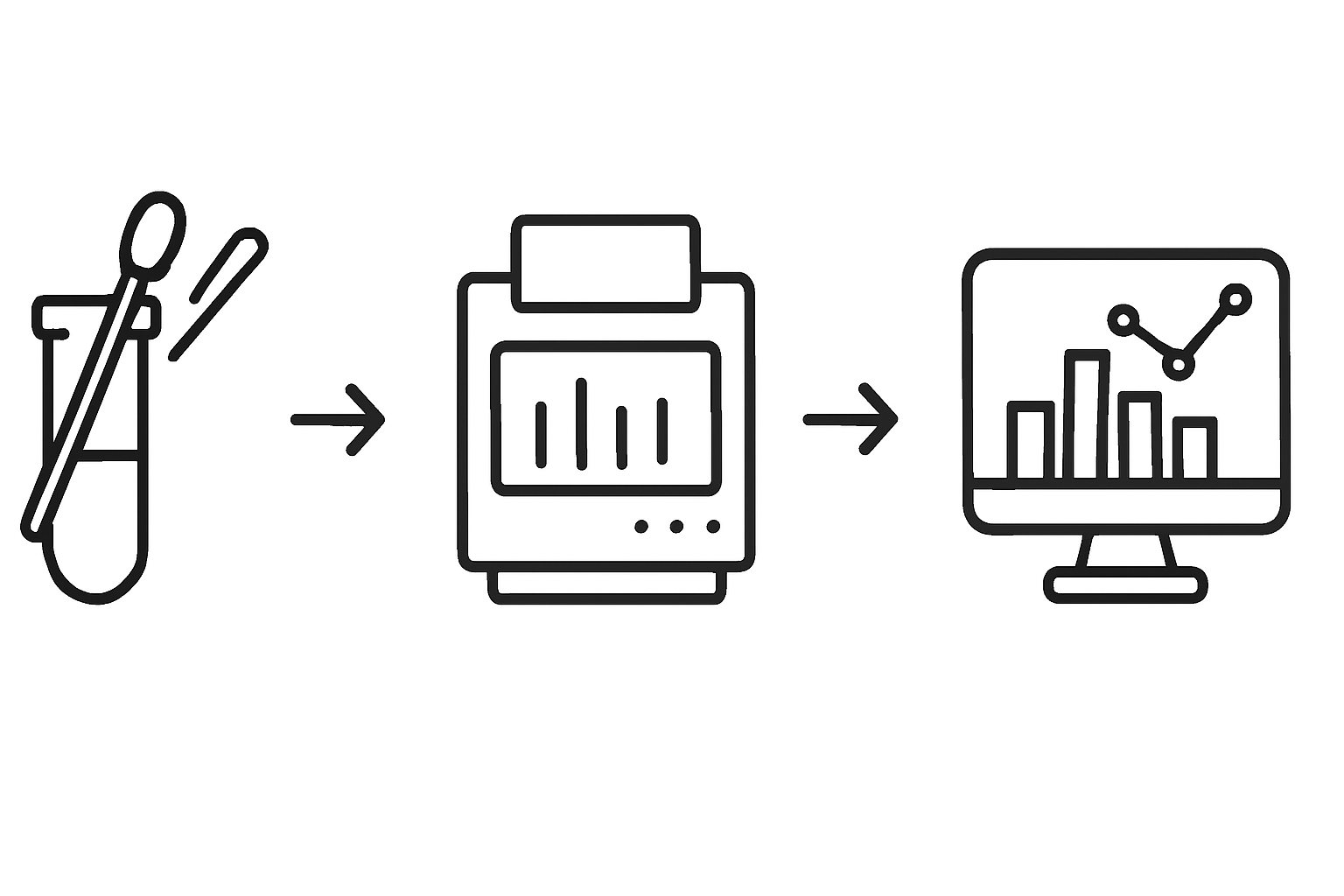
The journey of WGS, particularly when undertaking self-directed analysis, involves several stages:
- Sample Collection: Typically, a saliva or blood sample is collected and sent to a specialized laboratory.
- Laboratory Sequencing: The lab extracts DNA and uses sequencing machines to read the genetic code multiple times (achieving the desired coverage, like 30x).
- Data Processing and Analysis: The lab may perform initial processing. My direct involvement begins with the delivered data files (e.g., BAM, VCF): using bioinformatics software and databases to analyze these, identify variants, research associations, and interpret potential significance – a complex process.
Understanding Current WGS Adoption Rates
Despite its potential, WGS is not yet a routine procedure. Factors include:
- Clinical Utility and Actionability: Questions remain on how results will concretely alter medical management for healthy individuals.
- Complexity of Interpretation: Specialized knowledge is required.
- Psychological Impact: Potential for anxiety from discovering predispositions.
- Cost and Insurance Coverage: Can still be a barrier; insurance coverage for proactive WGS is not standard (as of May 2025).
- Data Privacy and Security: Valid concerns exist.
- Integration into Clinical Workflows: An ongoing process.
My decision to explore my own genome was driven by a desire to understand this technology on a deeper level.
The Evolution of WGS Technology and Evidence for Personal Health Benefits
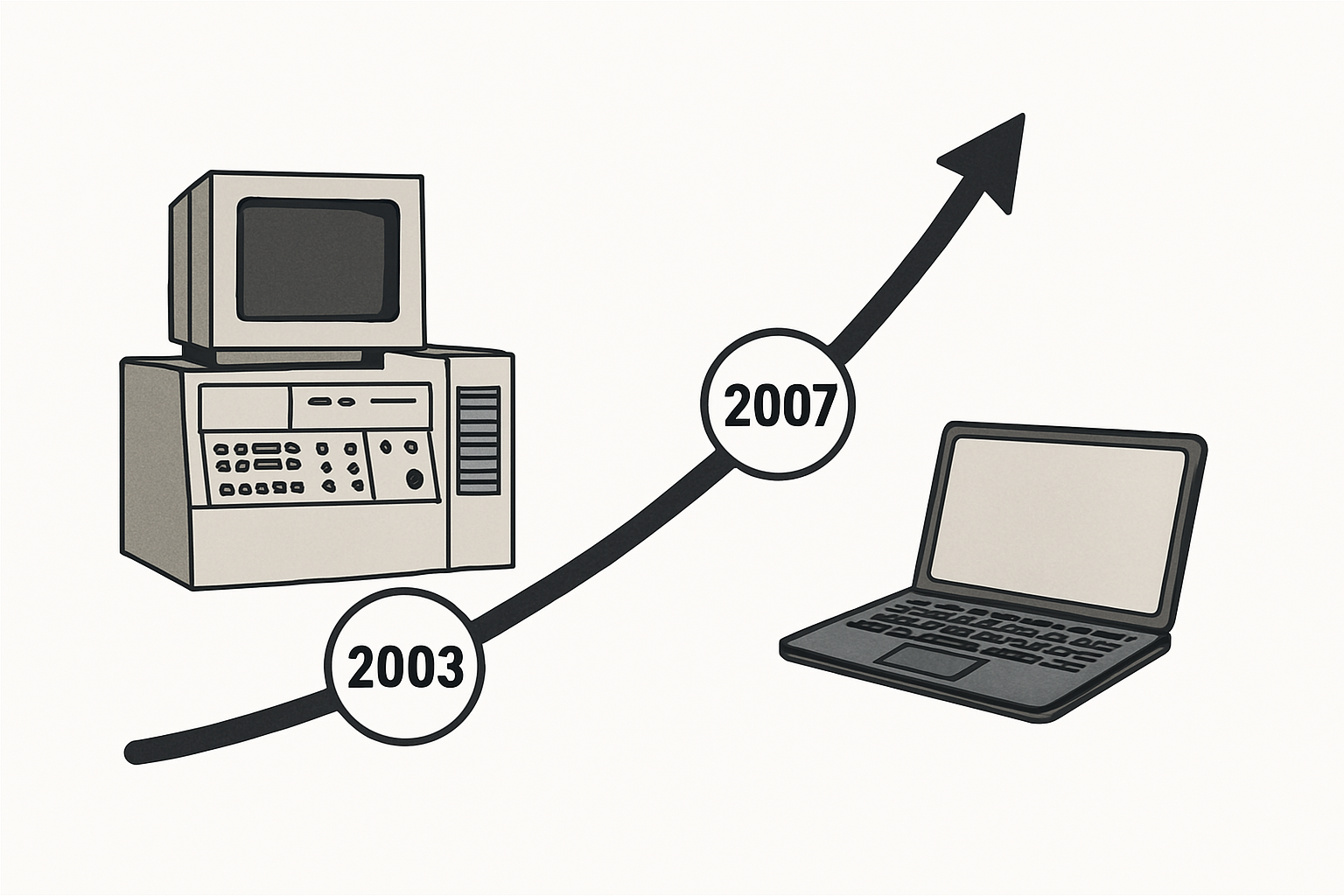
WGS capability is the result of decades of advancement:
- Foundational Work: The Human Genome Project (completed ~2003).
- Next-Generation Sequencing (NGS): Revolutionized speed and cost in the mid-2000s.
-
Continuous Refinement: Ongoing improvements in accuracy (e.g., long-read sequencing), speed, AI-assisted analysis, and cost reduction.
Evidence for Personal Health Utility:
Growing evidence supports WGS value: -
Pharmacogenomics: Guiding drug selection and dosing.
- Rare Disease Diagnosis: Transformative for diagnosing rare genetic disorders.
- Identification of Actionable Disease Risks: Informing targeted surveillance and prevention.
- Proactive Health and Lifestyle Guidance: Areas like nutrigenomics are providing insights.
- Carrier Screening: Valuable for family planning.
Important Considerations:
- Probabilistic, Not Deterministic: Genes are one facet of risk for common diseases.
- Variants of Uncertain Significance (VUS): WGS may identify variants with unknown clinical significance.
- Ongoing Research: The evidence base for broad application in asymptomatic populations is evolving.
Concluding Thoughts
My engagement with my own whole genome sequence here in Kuala Lumpur is an ongoing process of learning and discovery. The technology offers a remarkable window into our biology, and data quality (e.g., 30x coverage) is fundamental.
While WGS presents exciting possibilities for personalized health, its practical application requires careful consideration of its capabilities, limitations, and ethics. The journey of genomics is dynamic, and its integration into healthcare will continue to evolve.
I welcome any thoughtful discussion or questions you may have.